

Royal Purple Guinea for Sale – Add Color, Protection, and Personality to Your Flock
If you’re searching for Royal Purple Guinea for sale, you’re probably looking for more than just another barnyard bird. These striking guinea fowl combine beauty, noise (in a good way!), and natural pest control, making them a smart addition to farms and backyard flocks alike. Let’s walk through what makes the Royal Purple Guinea special, how to care for them, and what to know before you buy.
What Is a Royal Purple Guinea?
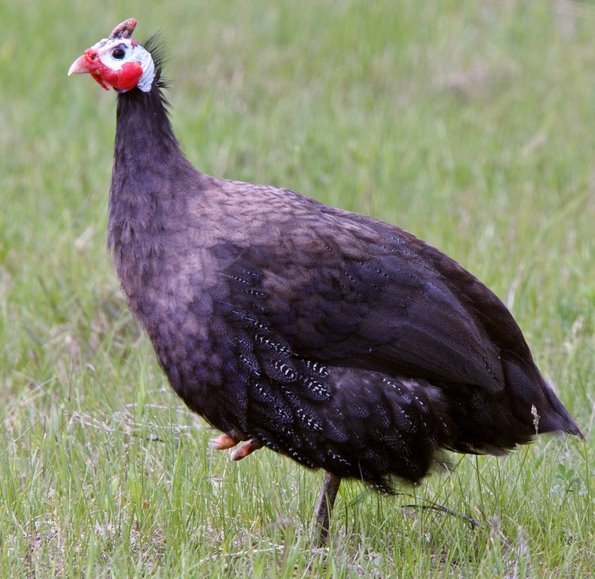
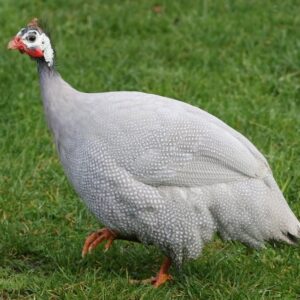
The Royal Purple Guinea is a variety of guinea fowl known for its deep, dark plumage with a subtle purple sheen. In the sunlight, their feathers almost shimmer, giving them a royal, glossy look that really stands out in any flock.
-
Medium-sized game bird
-
Dark body with fine white spotting that looks almost solid from far away
-
Bare head and helmet typical of guinea fowl
-
Alert, active, and always on the move
Unlike standard chickens, guineas are more independent and like to roam, making them excellent “watchdogs” and bug hunters around your property.
Why Choose Royal Purple Guinea for Your Flock?
When you look for Royal Purple Guinea for sale, you’re not just buying a pretty bird—you’re investing in a useful farm helper.
1. Natural Pest Control
Royal Purple Guineas are famous for hunting:
-
Ticks
-
Beetles
-
Grasshoppers
-
Flies
-
Small insects in gardens and lawns
Many homesteaders keep them specifically to reduce tick populations around people, pets, and livestock.
2. Unique Appearance
Their dark, glossy, purple-toned feathers make the Royal Purple Guinea one of the most eye-catching birds in the yard. If you want a flock that looks special in photos, videos, or for visitors, these birds are perfect.
3. Great Farm “Alarm System”
Royal Purple Guineas are naturally loud and alert. They call out when:
-
Strangers arrive
-
Predators are nearby
-
Something unusual happens around the coop
This makes them a living security system, especially helpful in rural areas where predators are common.
Royal Purple Guinea Temperament and Behavior
Before you buy Royal Purple Guinea for sale, it’s important to understand how they act.
-
Active: They love to roam, scratch, and explore.
-
Vocal: They are noisier than most chickens, especially when something changes in their environment.
-
Flock-Oriented: They prefer to stay with their group and do best when kept in pairs or small flocks.
-
Wary: Royal Purple Guineas can be a bit nervous or flighty, especially if not handled young.
If you want quiet birds right beside your bedroom window, they may not be the best choice. But for open space, farms, and larger yards, they’re fantastic.
Caring for Royal Purple Guinea from Keet to Adult
When you find Royal Purple Guinea for sale, you’ll often see them listed as keets (baby guineas). Caring for them is similar to raising chicks, with a few small differences.
Brooder Setup for Keets
-
Warm, draft-free brooder
-
Heat source (like a heat plate or lamp)
-
Non-slip bedding (pine shavings, paper towels on top the first few days)
-
Fresh water and high-quality game bird or chick starter feed
Start keets at around 95°F (35°C) in the brooder and lower the temperature by about 5°F each week until they are fully feathered.
Feed and Nutrition
-
Starter feed: 24–28% protein for the first few weeks
-
Grower feed: 18–20% protein as they get older
-
Provide grit if they’re eating anything other than commercial crumble or pellets
-
Fresh, clean water 24/7
Housing and Space
Royal Purple Guineas need:
-
Secure coop or shelter at night
-
Roosting bars off the ground
-
Predator-proof fencing (especially when you’re training them to come home at night)
-
Plenty of outdoor space to roam during the day
Royal Purple Guinea for Sale – How to Choose a Seller
When searching online for Royal Purple Guinea for sale, choosing the right source matters for health, genetics, and safe shipping.
Look for:
-
Reputable hatchery or farm: With good reviews and clear policies
-
Healthy stock: Descriptions mentioning strong, active keets and clean parent flocks
-
Clear breed labeling: Specifically Royal Purple Guinea, not just “mixed guineas”
-
Shipping options: Live arrival guarantee if they are being shipped
If you prefer local pickup, search for nearby breeders or farms that raise specialty guinea fowl and allow you to see the birds in person.
Ordering and Shipping Royal Purple Guinea Online
Many farms and hatcheries now offer Royal Purple Guinea for sale with online ordering and live shipping.
Tips for a smooth experience:
-
Order during appropriate weather months (not extreme heat or cold)
-
Be available to pick up your birds as soon as they arrive
-
Have your brooder or coop ready before they show up
-
Confirm minimum order numbers—some hatcheries require a certain number of keets per shipment
Is Royal Purple Guinea Right for You?
The Royal Purple Guinea is a great choice if you want:
-
Natural tick and bug control
-
A striking, unique-looking bird
-
Extra noise and alert calls for predator warnings
-
Active, free-ranging flock members
They might not be ideal if you:
-
Need very quiet birds
-
Have extremely close neighbors who dislike noise
-
Have no secure fencing or coop for nights
But if you have the space and the right setup, adding Royal Purple Guinea to your flock can bring color, personality, and real benefits to your yard or farm.
Conclusion
Searching for Royal Purple Guinea for sale is the first step toward adding one of the most striking and useful birds to your flock. With their deep purple sheen, loud warning calls, and powerful appetite for pests, they’re far more than just decoration—they can become an important part of your homestead system.
By choosing a reputable seller, preparing your brooder or coop ahead of time, and understanding their active and vocal nature, you’ll be ready to raise healthy, confident Royal Purple Guineas that serve your flock and protect your property.
FAQs About Royal Purple Guinea
1. Are Royal Purple Guinea good with chickens?
Yes, Royal Purple Guineas can live alongside chickens, especially if raised together from a young age. They may be more active and noisier, but they usually mix well in a shared yard or run.
2. Do Royal Purple Guinea lay eggs?
Yes, hens lay small, speckled eggs, usually during the warmer months. They are seasonal layers and not as consistent as most laying hens, but the eggs are tasty and rich.
3. Are Royal Purple Guinea very loud?
They can be loud, especially when alarmed or when new people or animals appear. This makes them great watchdogs but less ideal for very small or quiet neighborhoods.
4. How long do Royal Purple Guinea live?
With good care, they can live around 8–10 years, sometimes longer, especially when protected from predators and given clean housing and good nutrition.
5. Can Royal Purple Guinea free-range all day?
Yes, they thrive as free-range birds, hunting bugs and patrolling your property. Just make sure they are trained to come back to the coop at night and that you have some protection from predators.

Reviews
There are no reviews yet.